Introduction
Ekaterinburg is becoming a regional center for aesthetic medicine and hair restoration. Patients from the Urals seek modern solutions—from minimally invasive therapies to advanced hair transplant techniques—while local clinics and specialists steadily raise standards through professional training and international practices. This article outlines what patients can expect, and what hair professionals in Ekaterinburg need to know to deliver safe, effective care and build a successful practice.
The local landscape: why Ekaterinburg matters
— Strong patient demand driven by growing awareness of hair restoration options.
— Increasing availability of modern technologies (FUE/DHI equipment, PRP systems, lasers).
— Educational infrastructure nearby: medical universities, training centers, and growing opportunities for workshops and mentorships.
— Competitive market where quality, safety and communication distinguish top providers.
Common procedures and treatments
— FUE (Follicular Unit Extraction): minimally invasive hair transplantation with individual follicle harvesting.
— DHI (Direct Hair Implantation): variant of FUE with specialized implantation tools for density control.
— FUT (Strip method): less common, but still used in selected cases.
— PRP (Platelet-Rich Plasma) therapy: stimulates growth and improves graft survival.
— Mesotherapy and biostimulatory injections: for early thinning and scalp health.
— Low-level laser therapy (LLLT): adjuvant for chronic thinning.
— Scalp micropigmentation: non-surgical option to mask density loss.
— Trichological diagnostics: trichoscopy, hormonal and nutritional assessment.
What patients should expect during the treatment journey
1. Initial consultation and trichological assessment (history, scalp exam, photos).
2. Diagnostic tests as needed (bloodwork, hormonal profile).
3. Personalized treatment plan explaining options, risks, timelines, and costs.
4. Pre-op preparation and informed consent for surgical options.
5. Procedure performed in a sterile, accredited setting by licensed staff.
6. Clear post-op instructions and follow-up (medication, care, follow-up visits).
7. Transparent before/after documentation and realistic outcome expectations.
Choosing a clinic or specialist in Ekaterinburg
Look for:
— Licensed physicians with documented experience in hair restoration.
— Clinic accreditation and adherence to sanitary standards.
— Before-and-after portfolios with consistent results.
— Transparent pricing and a written treatment plan.
— Positive patient reviews and willingness to provide references.
— Use of modern equipment and evidence-based protocols.
— Clear communication about risks, recovery time, and long-term care.
Safety, regulation and professional responsibility
— Surgical hair restoration must be performed by licensed medical professionals; non-surgical treatments should be delegated to trained personnel under physician supervision.
— Clinics should follow standard infection control, maintain sterile operating rooms, and use single-use or properly sterilized instruments.
— Informed consent, accurate record-keeping and post-procedure monitoring are mandatory.
— Stay updated with Russian Ministry of Health guidance and professional societies’ recommendations.
— Report and manage complications promptly and transparently.
Education and training opportunities for hair professionals in Ekaterinburg
— Local resources: Ural medical schools and continuing medical education (CME) programs often host workshops and lectures related to dermatology and surgical techniques.
— Hands-on workshops: short courses in FUE/DHI, PRP, and microsurgery skills—seek programs with supervised live cases.
— Mentorship and observerships: partner with experienced surgeons for case-based learning.
— International organizations: courses and certifications from ISHRS, EADV, and accredited international trainers can supplement local education.
— Online learning: webinars, surgical technique videos, and peer-reviewed literature for theoretical grounding.
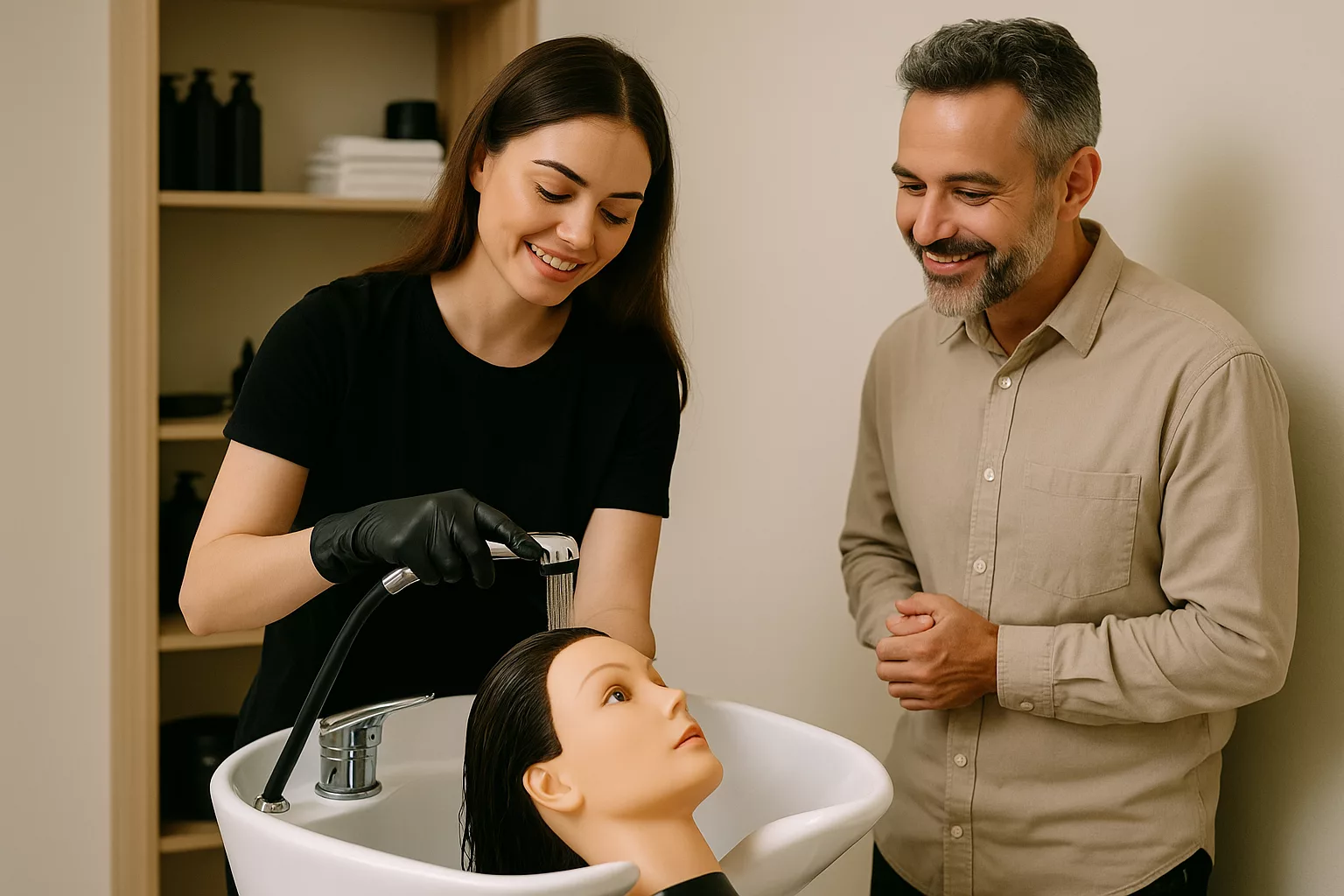
— Simulation training: practice graft handling, implantation and suture techniques in lab settings before live patients.
Practical tips for hair professionals building practice in Ekaterinburg
— Prioritize patient-centered communication: manage expectations and build trust with thorough consultations.
— Invest in documentation: high-quality photography, standardized outcome tracking, and digital records.
— Build a treatment continuum: combine surgical, medical and supportive therapies for holistic care.
— Network locally: collaborate with dermatologists, endocrinologists and nutritionists for multidisciplinary management.
— Marketing ethically: use real results, transparent claims and patient testimonials with consent.
— Continuous improvement: attend workshops, practice quality audits, and adopt evidence-based protocols.
Continuing professional development and certification
— Attend regional and international conferences regularly.
— Complete supervised case quotas for new surgical techniques before independent practice.
— Publish or present case studies to contribute to local professional knowledge.
— Maintain CME credits and stay informed on evolving standards and technologies.
Quick checklists
Patients — before choosing a clinic:
— Confirm physician licenses and clinic accreditation.
— Review before/after galleries and patient reviews.
— Ask about infection control and anesthesia practices.
— Request a detailed written treatment plan and cost breakdown.
— Clarify follow-up schedule and complication management.
Professionals — before offering a new procedure:
— Complete hands-on supervised training and sufficient case practice.
— Ensure clinic infrastructure meets sterile-surgery standards.
— Prepare patient education materials and informed consent forms.
— Set up outcome tracking and complication protocols.
— Arrange multidisciplinary referral pathways.
Conclusion
Ekaterinburg offers strong opportunities for both patients seeking modern hair restoration and professionals committed to high standards. Success in this field combines technical skill, rigorous education, strict safety practices and empathetic patient care. For patients: choose accredited, experienced providers and demand transparent care. For professionals: invest in hands-on training, evidence-based protocols and ethical communication to build trust and deliver outstanding results.
If you’d like, I can:
— Draft a patient consultation checklist tailored for Ekaterinburg clinics.
— Outline a 6–12 month training program for professionals starting in hair restoration.