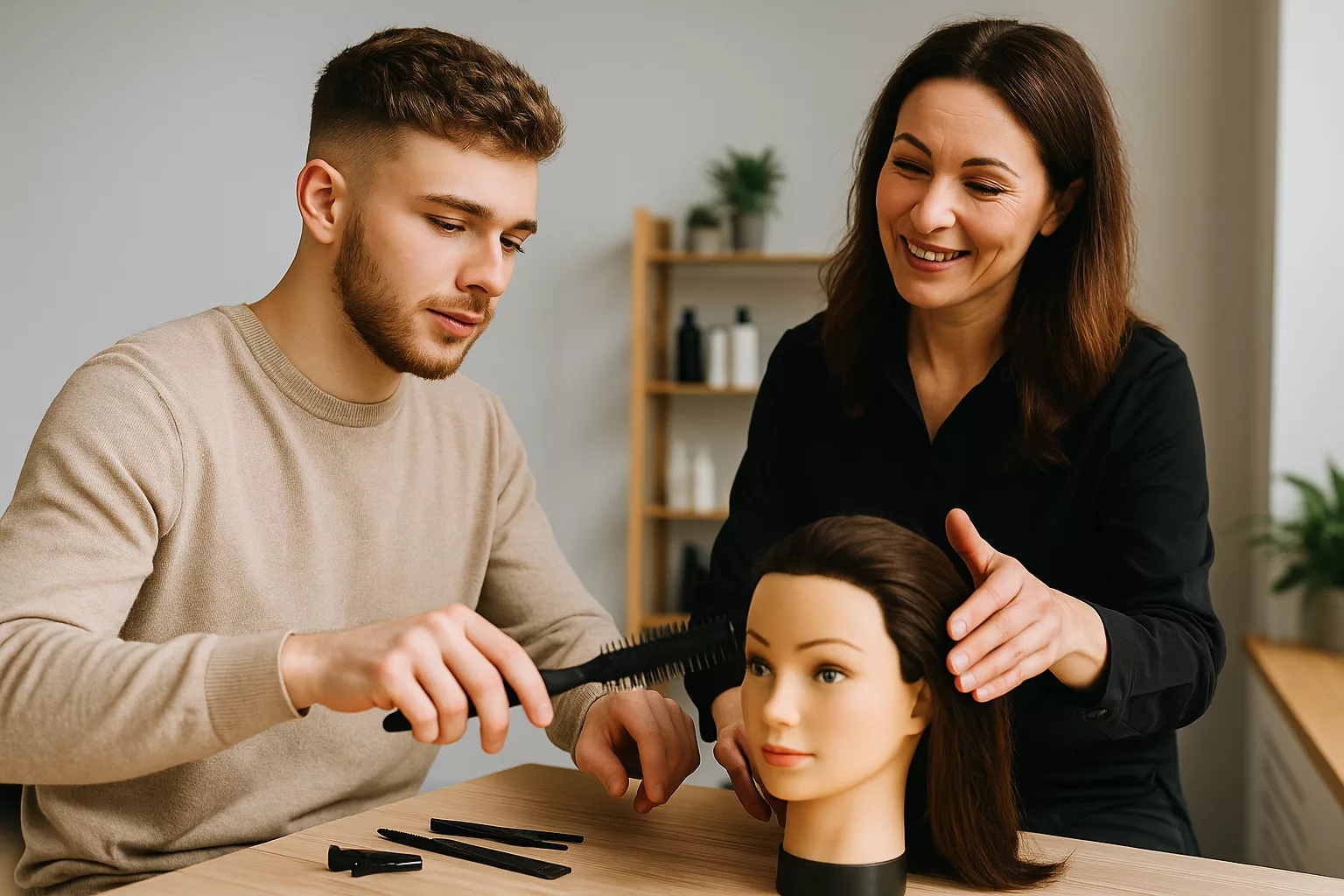
Hair Restoration in Ekaterinburg: Professional Care and Education for Hair Specialists
An up-to-date, patient-focused hair restoration ecosystem requires clinical excellence, evidence-based procedures, and ongoing education for practitioners. This guide outlines what residents of Ekaterinburg should expect from restorative care and how hair professionals in the region can maintain and grow their expertise.
For patients: How to choose safe, effective hair restoration care
Key procedures available
— *Hair transplantation*: FUE (Follicular Unit Extraction), FUT (strip), and variations such as DHI — technique choice depends on diagnosis, donor area, and patient goals.
— *Injectables and biologics*: PRP (platelet-rich plasma), mesotherapy, growth-factor therapies.
— *Topical and oral therapies*: FDA- or EMA-recognized agents (consult your doctor for appropriateness).
— *Non-surgical options*: low-level laser therapy, scalp micropigmentation, medical camouflage.
Choosing a clinic in Ekaterinburg
— Verify that treating physicians hold a valid Russian medical license and relevant specialization (dermatology, trichology, plastic surgery).
— Ask for before-and-after photos and patient references; ensure images are from the same clinic and clearly dated.
— Insist on a detailed diagnostic consultation including scalp trichoscopy, medical history (hormonal, autoimmune, medication causes), and realistic outcome discussion.
— Confirm transparency on costs, number of grafts, expected sessions, anesthesia and postoperative follow-up.
— Check infection-control practices, recovery facilities, and availability of emergency care.
What to expect from a good pre/post-op pathway
— Pre-op: full assessment, photographic documentation, explanation of risks/benefits, preoperative instructions (medication adjustment, smoking/alcohol).
— Immediate post-op: pain control, wound care instructions, dressing and activity restrictions.
— Long-term: scheduled follow-ups, growth timeline expectations (hair shedding then regrowth), options for touch-ups or adjuvant therapies.
Red flags
— Guarantees of “100% success” or extremely low prices that seem too good to be true.
— Lack of clinical photos or unwillingness to explain technique and expected outcomes.
— No formal follow-up plan or referral network for complications.
For hair professionals in Ekaterinburg: grow your practice and competence
Core clinical competencies to maintain
— Mastery of evaluation tools: trichoscopy, scalp biopsy interpretation, hormonal and nutritional workup.
— Proficiency in surgical techniques (FUE, DHI, FUT) and perioperative patient management.
— Knowledge of regenerative modalities: PRP protocols, mesotherapy techniques, stem-cell adjuncts (as supported by evidence).
— Patient selection and counseling skills to set realistic expectations.
Ongoing education and skill-building
— Attend hands-on workshops and cadaver or live-surgery observerships when possible. Practical experience is crucial for surgical confidence.
— Subscribe to current peer-reviewed journals and participate in webinars by recognized international societies.
— Seek mentorship or proctoring with experienced hair restoration surgeons for the first 50–200 cases.
— Build competency in non-surgical offerings to provide comprehensive care (PRP, lasers, scalp micropigmentation).
Building a reputable practice
— Implement standardized protocols for documentation, photography, informed consent, and complication management.
— Create a multidisciplinary network: dermatologists, endocrinologists, psychologists (for body image concerns), and anesthesiologists.
— Uphold ethical marketing—accurate results, no exaggerated promises, clear pricing.
— Offer structured follow-up packages and outcomes tracking to demonstrate quality and improve protocols.
Local professional development opportunities
— Collaborate with regional medical institutions and continuing medical education providers. In Ekaterinburg, medical universities and local medical societies can be sources of accredited courses and practical workshops.
— Participate in national and international conferences to stay current with techniques, devices, and clinical evidence.
— Consider certifications from recognized hair restoration organizations (where available) and document CME credits.
Practical checklists
Patient checklist before booking a procedure
— Verify clinician credentials and clinic accreditation.
— Get a written treatment plan, graft estimate, and cost breakdown.
— Request clear pre/post-op instructions and schedule follow-ups.
— Consider a second opinion for major procedures.
Professional checklist before offering a new service
— Complete supervised hands-on training and document cases.
— Adopt written protocols and consent forms reflecting current best practice.
— Ensure sterilization, equipment maintenance, and emergency readiness.
— Monitor outcomes and complications; use audits to refine technique.
Local considerations for Ekaterinburg
— Climate and lifestyle: advise patients on wound care and sun protection post-procedure.
— Regional referral pathways: establish links with local hospitals for complex cases or complications requiring inpatient care.
— Language and patient education: provide materials in Russian and ensure informed consent is fully understood.
Next steps and resources
— Patients: schedule specialist consultations with clinics that provide diagnostic trichoscopy and documented outcome history.
— Professionals: seek hands-on training, partner with local medical institutions for CME, and build multidisciplinary referral networks.
If you’d like, I can:
— Draft a patient-facing clinic checklist or consent template in Russian.
— Create a suggested curriculum for a hands-on hair restoration workshop tailored for Ekaterinburg clinicians.