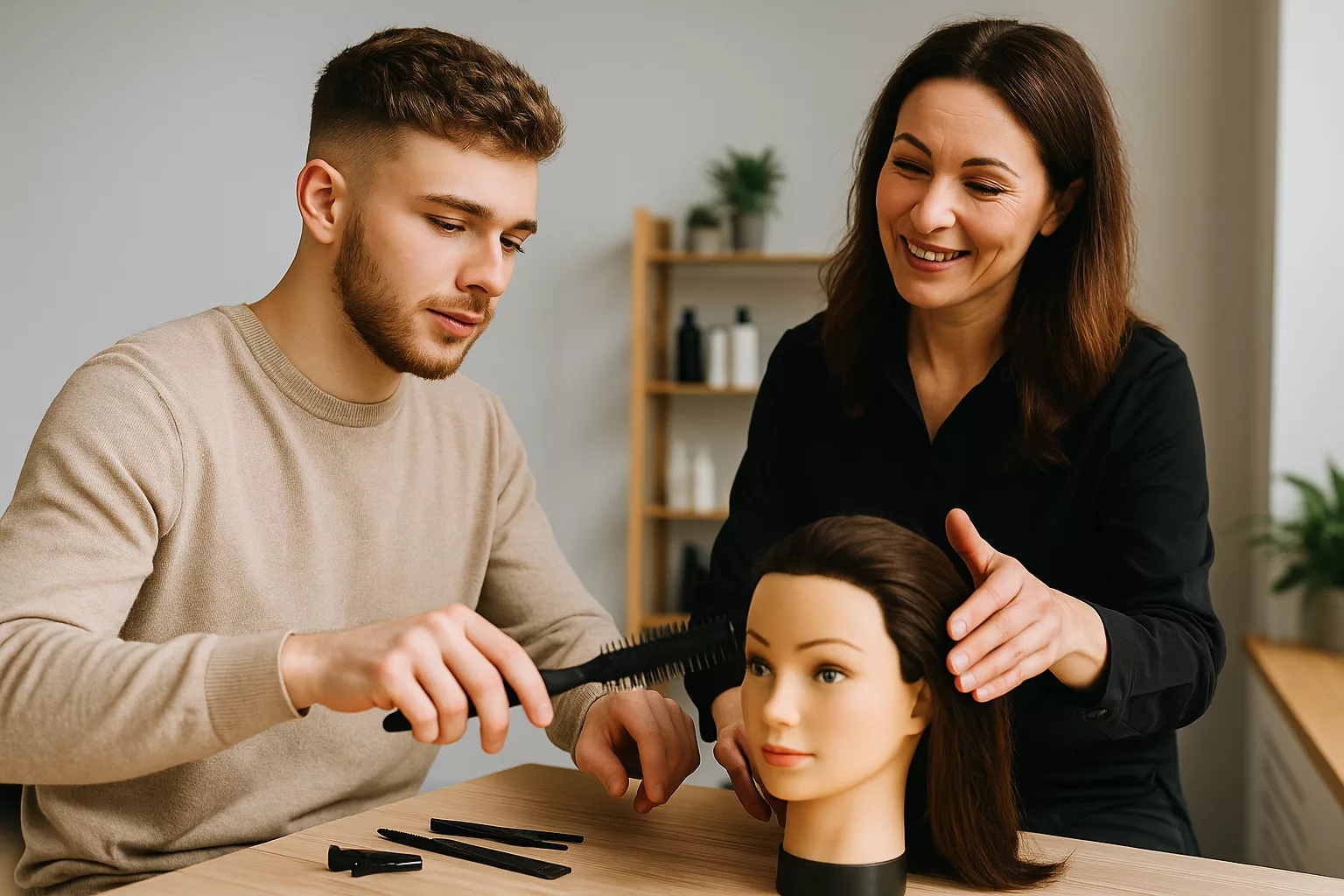
Hair Restoration, Professional Care, and Education for Hair Professionals in Ekaterinburg
Hair restoration is both a medical and aesthetic discipline. In Ekaterinburg, demand for safe, modern and evidence-based hair treatments is growing alongside client expectations for visible results and professional service. This article outlines practical guidance for clinics, stylists, trichologists and trainees who want to deliver outstanding care while building sustainable expertise.
Why focus on professional care and education?
— *Patient safety and outcomes*: Proper diagnosis, sterile technique, and follow-up determine long-term success.
— *Trust and reputation*: Clients increasingly research credentials, reviews and before/after documentation.
— *Regulatory compliance*: Medical procedures require adherence to local healthcare and licensing standards.
— *Competitive differentiation*: Ongoing education keeps teams capable of offering the latest effective therapies.
Common hair-restoration services offered in Ekaterinburg clinics
— Non-surgical therapies
— Platelet-rich plasma (PRP)
— Mesotherapy and micro-needling for scalp
— Low-level laser therapy (LLLT)
— Topical and oral pharmacotherapy managed by a physician
— Surgical options
— Follicular Unit Extraction (FUE)
— Follicular Unit Transplantation (FUT/strip) where indicated
— Cosmetic camouflage and adjuncts
— Scalp micropigmentation (SMP)
— Medical-grade concealers and hair fibers
Note: All medical interventions should be performed or prescribed by qualified medical professionals. Encourage clients to consult a licensed trichologist or dermatologist before starting treatment.
Best practices for delivering professional care
— Comprehensive assessment first
— Detailed medical history, medication review and scalp/photographic documentation
— Trichoscopy or dermatoscopy for precise diagnosis
— Personalized treatment plans
— Combine modalities when appropriate (e.g., PRP + topical therapy)
— Set realistic expectations and timelines with clients
— Sterility and safety
— Follow strict infection-control protocols, validated sterilization for instruments
— Ensure emergency preparedness for rare adverse reactions
— Follow-up and outcome tracking
— Standardize follow-up visits and photographic comparisons at 3, 6 and 12 months
— Use objective measures when possible (hair counts, validated scales)
— Transparent pricing and consent
— Provide clear written informed consent, including risks and alternatives
— Itemize package pricing and maintenance requirements
Education and training priorities for hair professionals
— Core knowledge areas
— Hair biology and the hair growth cycle
— Differential diagnosis of hair loss (androgenetic, telogen effluvium, alopecia areata, scarring alopecias)
— Basics of dermatology relevant to the scalp
— Principles and hands-on training for PRP, microneedling, and injectable techniques
— Hair transplant theory and practical exposure (for surgeons)
— Cosmetic techniques: SMP, colormatching, and photographic documentation
— Clinical skills and soft skills
— Patient consultation and expectation management
— Complication recognition and referral pathways
— Practice management, documentation and medical ethics
— Continuing professional development
— Attend national and international conferences, workshops and hands-on masterclasses
— Participate in peer review, case discussions and mentorship programs
— Certification and recertification where available; build relationships with medical associations
— Localizing training for Ekaterinburg
— Offer Russian-language courses and locally relevant case studies
— Collaborate with regional dermatologists, medical schools and licensed clinics for supervised practice
— Emphasize compliance with Russian healthcare regulations and licensing
Building a trustworthy practice in Ekaterinburg
— Hire or partner with qualified medical personnel (dermatologists, plastic surgeons, licensed nurses)
— Showcase credentials clearly on websites and in-clinic materials
— Display before-and-after galleries with consistent lighting and dates; obtain written client consent
— Collect and publish patient testimonials and verified reviews
— Maintain a hygienic, modern clinic environment with visible safety protocols
Marketing ethically and effectively
— Educate rather than oversell: produce articles and videos explaining treatments, timelines and realistic outcomes
— Use local SEO: include keywords like “hair restoration Ekaterinburg,” “trichologist Ekaterinburg,” and Russian equivalents
— Offer informational seminars or Q&A events to build trust and generate referrals
— Partner with allied professionals (dermatology clinics, salons, dermatopathology labs) for cross-referrals
Practical checklist for hair professionals starting or upgrading services
— Ensure medical oversight for any invasive or prescription-based service
— Secure training and certification for each procedure offered
— Create standardized consent, intake and follow-up forms in Russian
— Invest in quality diagnostic tools (dermatoscope, reliable cameras) and single-use consumables where applicable
— Implement outcome tracking and a complication log for continuous improvement
Advice for patients in Ekaterinburg seeking hair restoration
— Verify clinic credentials and ask who performs the procedure
— Request an in-person assessment with diagnostic imaging
— Ask to see full case histories (before/after photos with dates)
— Understand the full timeline, costs and maintenance plan
— Seek second opinions for major procedures like transplants
Closing thoughts
Ekaterinburg’s hair-restoration market benefits from practices that combine medical rigor, transparent communication and continuous professional development. For clinics and practitioners, prioritizing education and standardized care pathways leads to better patient outcomes and a stronger local reputation. For patients, informed choices and properly credentialed providers are the best guarantee of safe, effective results.
If you’re a practitioner planning a training program or a clinic preparing to expand services, start by mapping required competencies, partner with licensed medical educators, and build a stepwise implementation plan that prioritizes patient safety and measurable outcomes.